
Navigating Tax Regulations in Spain: Essential Tips for Property Owners


Owning property in Spain can be a rewarding investment, but understanding the local tax regulations is crucial to ensure compliance and optimize your financial benefits. Navigating these regulations can be complex, especially for foreign property owners. This guide provides essential tips to help you manage your property taxes effectively.

Understanding Property Taxes in Spain
Property owners in Spain are subject to several types of taxes, both at the national and local levels. It's important to be aware of these taxes to avoid unexpected liabilities. The main taxes include the Impuesto sobre Bienes Inmuebles (IBI) and the Impuesto sobre la Renta de No Residentes (IRNR).
Impuesto sobre Bienes Inmuebles (IBI)
The IBI is an annual property tax levied by the local town hall. It is calculated based on the cadastral value of the property, which is often lower than the market value. Make sure to check the IBI rate applicable in your region, as it can vary significantly.
Impuesto sobre la Renta de No Residentes (IRNR)
If you are a non-resident property owner, you are required to pay the IRNR tax. This tax applies to any income generated from your property, such as rental income. Even if your property is not rented out, a notional income tax may still apply.
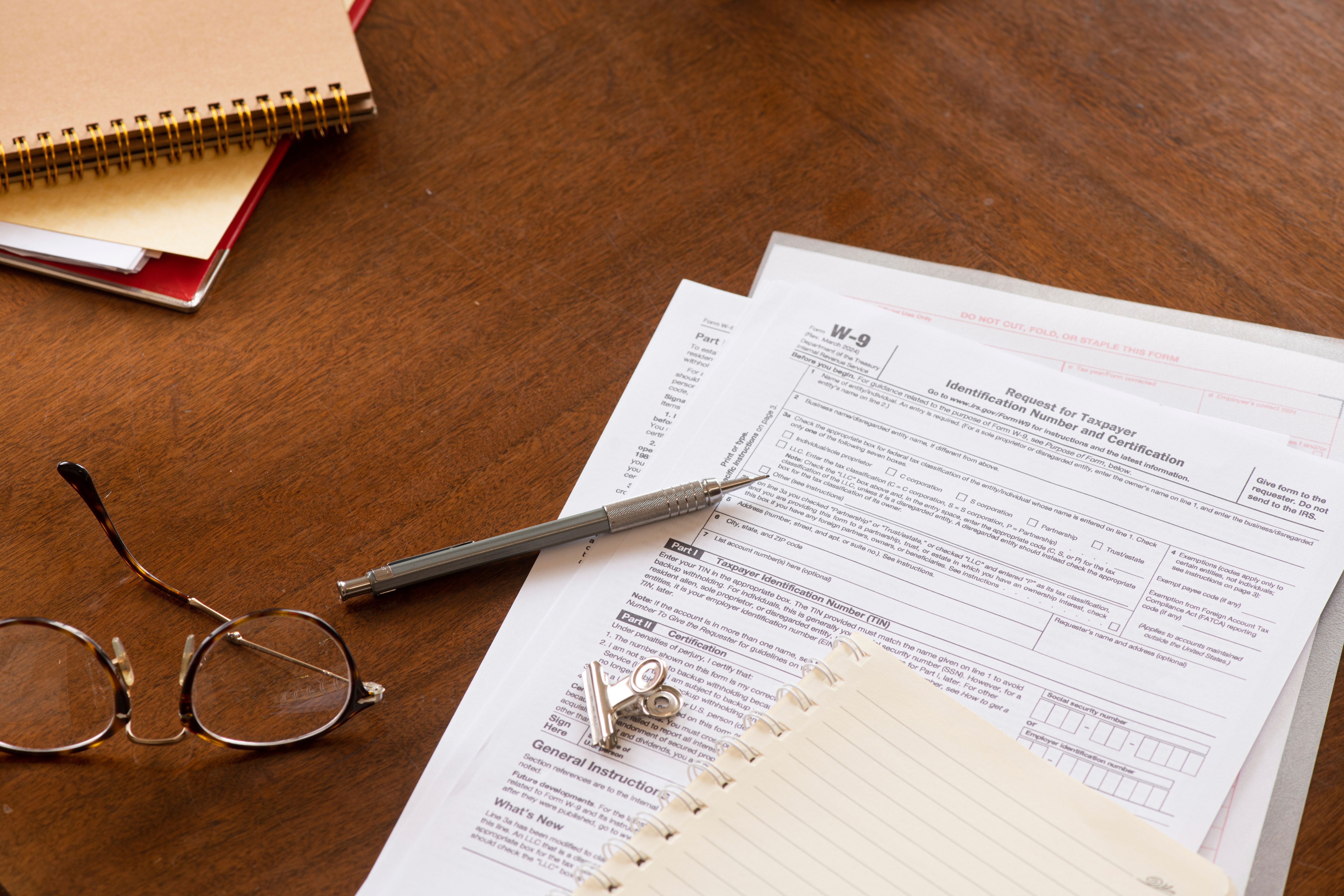
Tips for Managing Your Tax Obligations
Effectively managing your tax obligations in Spain requires careful planning and organization. Here are some tips to help you stay on top of your responsibilities:
- Stay Informed: Keep up-to-date with changes in tax regulations to ensure compliance.
- Hire a Local Tax Advisor: A qualified advisor can provide guidance specific to your situation and help with paperwork.
- Keep Records: Maintain detailed records of all transactions related to your property for accurate reporting.

Maximizing Tax Benefits
While taxes are unavoidable, there are ways to potentially reduce your tax burden. Here are a few strategies to consider:
Utilize Deductions
Take advantage of available deductions related to mortgage interest, property maintenance, and repairs. These can help lower your taxable income and result in significant savings.
Consider Tax Treaty Benefits
Spain has tax treaties with several countries to prevent double taxation. Check if your home country has such an agreement with Spain, as it might offer tax relief.
Conclusion
Successfully navigating tax regulations in Spain requires diligence and strategic planning. By understanding the types of taxes, staying informed, and utilizing available resources, you can manage your property tax obligations effectively. Consider consulting with a local expert to ensure you are taking full advantage of potential tax benefits and remaining compliant with all regulations.