
Global Macroeconomic situation in 2026


Global Economic Overview
As we step into January 2026, the global economic landscape presents a complex tapestry of challenges and opportunities. The world economy is grappling with the aftereffects of the pandemic, geopolitical tensions, and the ongoing digital transformation. These factors continue to shape the economic strategies of nations worldwide.
The International Monetary Fund (IMF) projects a moderate growth rate, with emerging markets showing resilience. However, disparities between developed and developing countries remain pronounced. Policymakers are focusing on sustainable growth, addressing climate change, and fostering technological innovation.
Inflation and Interest Rates
Inflation remains a significant concern for many countries. Central banks are employing a mix of traditional and innovative strategies to keep inflation in check. Interest rates have been adjusted in various regions to manage inflationary pressures and stabilize economies.
For instance, the United States Federal Reserve has slightly increased interest rates to curb inflation, while the European Central Bank maintains a cautious approach. Emerging economies are also navigating this delicate balance, striving to attract investments without stoking inflation.
Trade and Geopolitical Dynamics
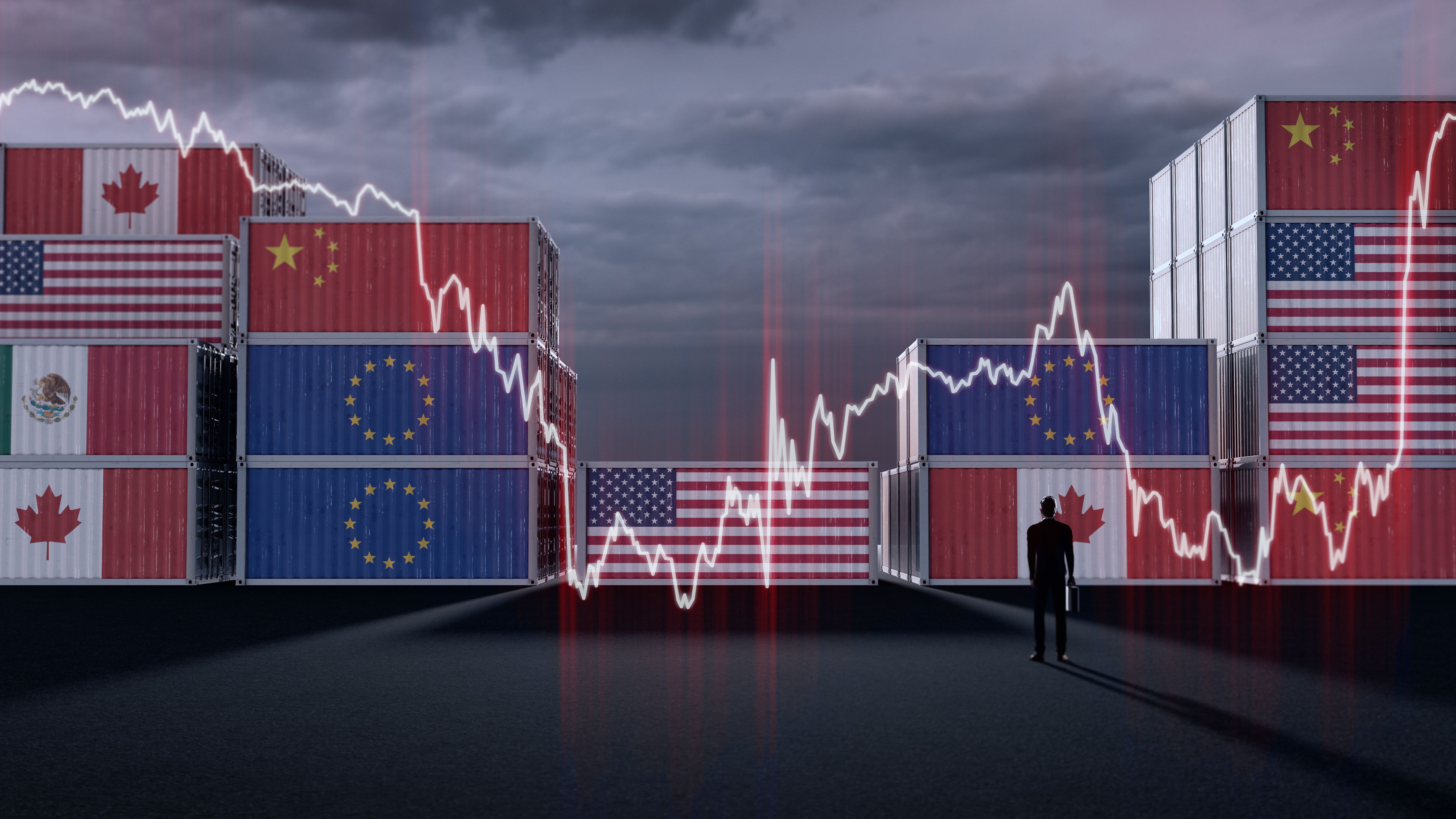
Trade continues to be a pivotal factor in shaping the global economy. The U.S.-China trade relationship remains a focal point, with both countries negotiating to reduce tariffs and improve trade conditions. The European Union is also exploring new trade agreements to bolster its economic position.

Geopolitical tensions, particularly in Eastern Europe and the South China Sea, have implications for global trade routes and economic stability. These tensions underscore the importance of diplomatic efforts to maintain peace and foster economic collaboration.
Technological Advancements
The rapid pace of technological advancements is transforming industries across the globe. From artificial intelligence to blockchain, these innovations are driving efficiency and creating new economic opportunities. Countries are investing heavily in research and development to remain competitive.
However, the digital divide poses a challenge, with developing nations struggling to keep up with technological advancements. Bridging this gap is crucial for achieving a balanced and inclusive global economy.
Environmental and Social Considerations
Sustainability is at the forefront of the global economic agenda in 2026. Nations are implementing policies to reduce carbon emissions and promote renewable energy. The transition to a green economy is not only an environmental imperative but also an economic opportunity.
Social considerations, such as income inequality and access to education, are also gaining attention. Governments and organizations are working towards creating more equitable societies, recognizing that social stability is essential for economic growth.
Conclusion
The macroeconomic situation in January 2026 is a dynamic interplay of various factors. While challenges persist, there are numerous opportunities for growth and development. Nations must collaborate to address these challenges and harness the potential of technological and environmental advancements.
As the world navigates this intricate economic landscape, the focus remains on sustainable and inclusive growth, ensuring that future generations inherit a prosperous and stable global economy.